Blog
The Origin of Three-Dimensional Glazes
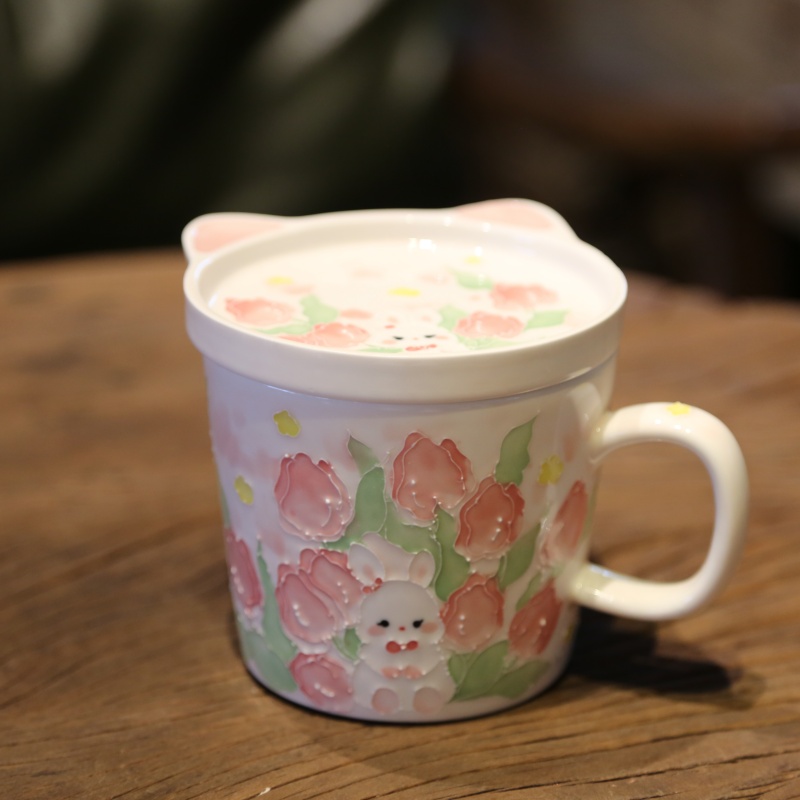
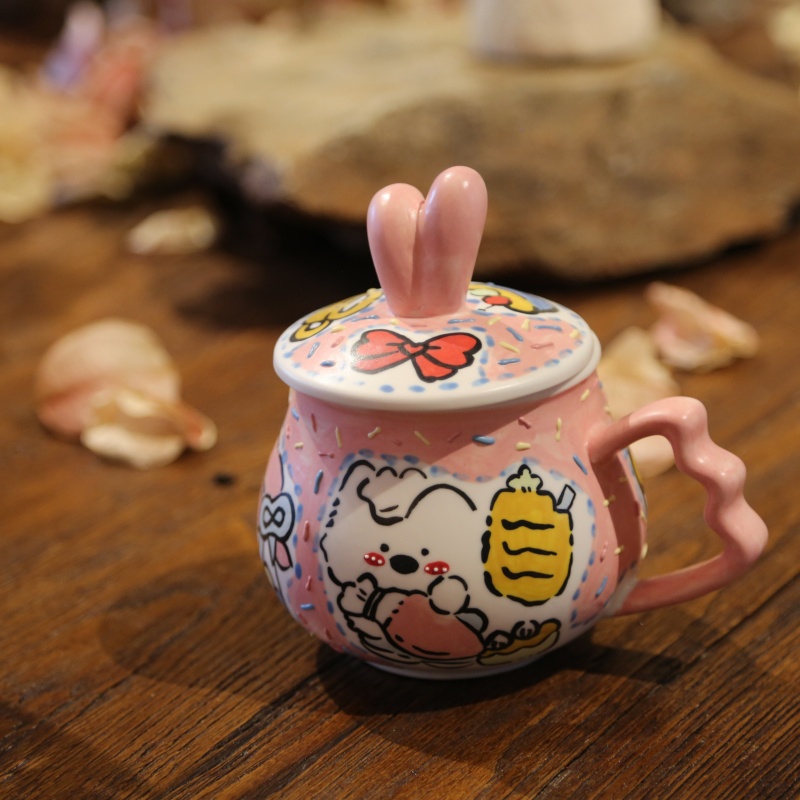
The story of three-dimensional glazes, also known as "lǐ tǐ yòu" in Chinese ceramic terminology, is a fascinating journey from accidental discovery to intentional mastery, embodying the ancient dialogue between chance and control in the kiln. While the quest for glossy, smooth surfaces dominated much of ceramic history, the embrace of texture and relief marks a bold aesthetic evolution.
The origins can be traced back to natural glaze phenomena observed in early wood-fired kilns. "Feldspathic" and "ash glazes", melting unevenly at high temperatures, would sometimes pool, crystallize, or crawl, creating spontaneous ridges, droplets, or "crater-like textures". Initially considered flaws—referred to as "kiln transformation" (yaobian)—these effects were often recorded with curiosity. In China, during the Song Dynasty, certain "Jun ware" and "hare’s fur" Jian ware demonstrated an appreciation for this organic variability, though their surfaces remained largely planar.

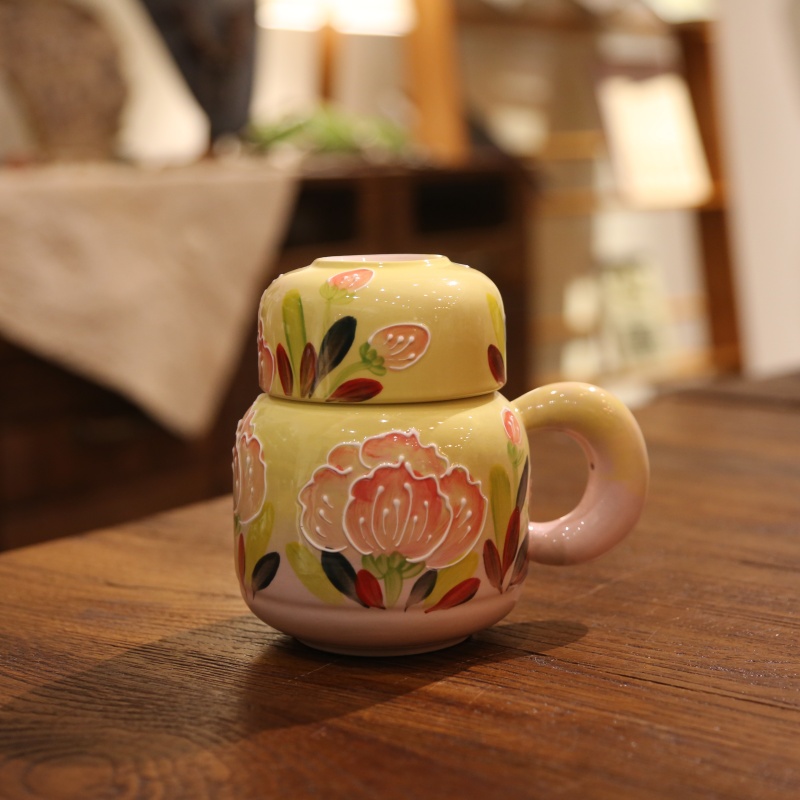
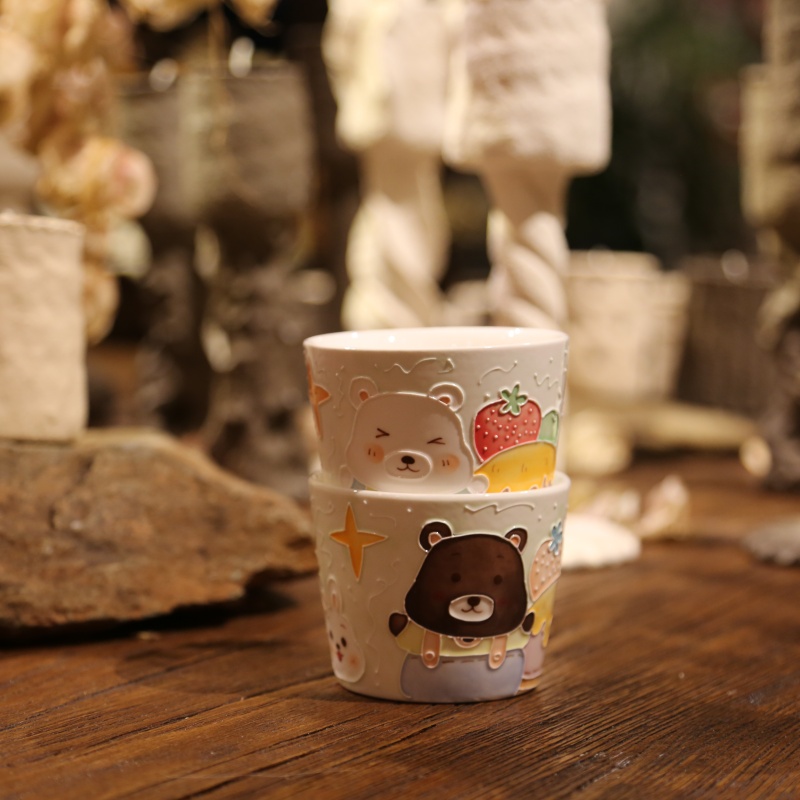
The deliberate development of sculptural glazes is largely a modern pursuit, emerging from the 20th-century studio pottery movement. Artists began to see these "defects" as a vocabulary. They systematically manipulated glaze chemistry, increasing the "alumina" or silica content, or adding granular materials like "zircon" or crushed "frit", to encourage viscous flow and "crystallization". Techniques such as "layering multiple glazes", applying them thickly with a brush or syringe, or "embedding materials" that burn out in the firing, were refined to build controlled, tactile landscapes.
Thus, three-dimensional glaze evolved from an unpredictable gift of the fire into a precise language of form. It represents a paradigm shift: the glaze is no longer merely a colored skin, but an integral, architectural component of the vessel. It invites not just sight, but touch, transforming ceramic surfaces into miniature topographies forged by chemistry and flame.