The Revival of Traditional Crafts in Jingdezhen: A Phoenix Rising from the Ashes of History to the Global Stage
In the long galaxy of Chinese ceramic history, Jingdezhen has always been the brightest star. However, the wave of industrialization once pushed many traditional crafts into silence. Today, this millennia-old porcelain capital is driving a modern revival of traditional techniques with astonishing creativity and openness—not as museum-preserved relics, but as living traditions infused with new vitality.
Technical Resurrection: Breakthroughs from Underglaze Red to Rice-Pattern Porcelain
Underglaze red, once nearly lost due to its extreme firing difficulties, now thrives again. Copper-red glaze requires precise control at 1300°C; ancient artisans sighed that "nine out of ten kilns fail." Today, digital temperature control technology combined with traditional experience ensures stable color development. A new generation of craftsmen applies this technique to minimalist vessels and abstract sculptures, where the interplay of red and metallic glazes attracts international collectors.
Similarly, the镂刻 (openwork) craftsmanship of rice-pattern porcelain no longer limits itself to traditional motifs. Laser engraving combined with handcrafting creates geometric light shadows and textual patterns, applied in modern lamps and architectural decor—a design language embraced by both Eastern and Western aesthetics.
Aesthetic Rebirth: Contemporary Narratives of Blue-and-White and Famille Rose
The revival of blue-and-white porcelain is particularly striking. Young artists use traditional cobalt pigments to depict sci-fi scenes, social issues, and even integrate street graffiti art. A collaboration with a Dutch designer on "Blue-and-White Electronic Music Theme Ware" sparked heated discussion at Milan Design Week.
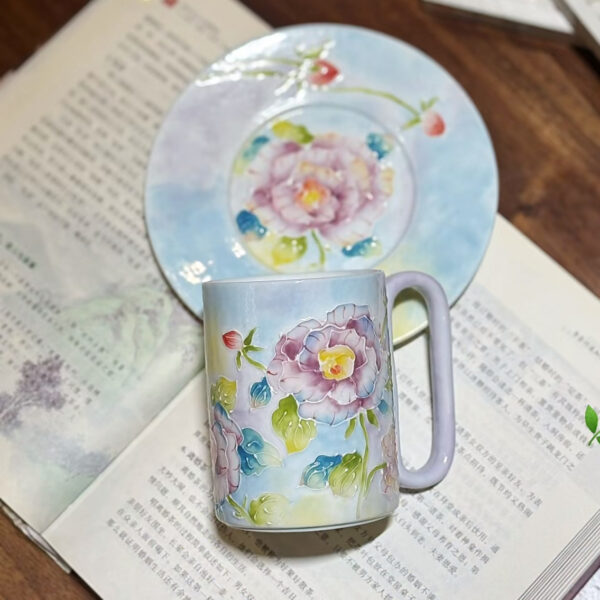
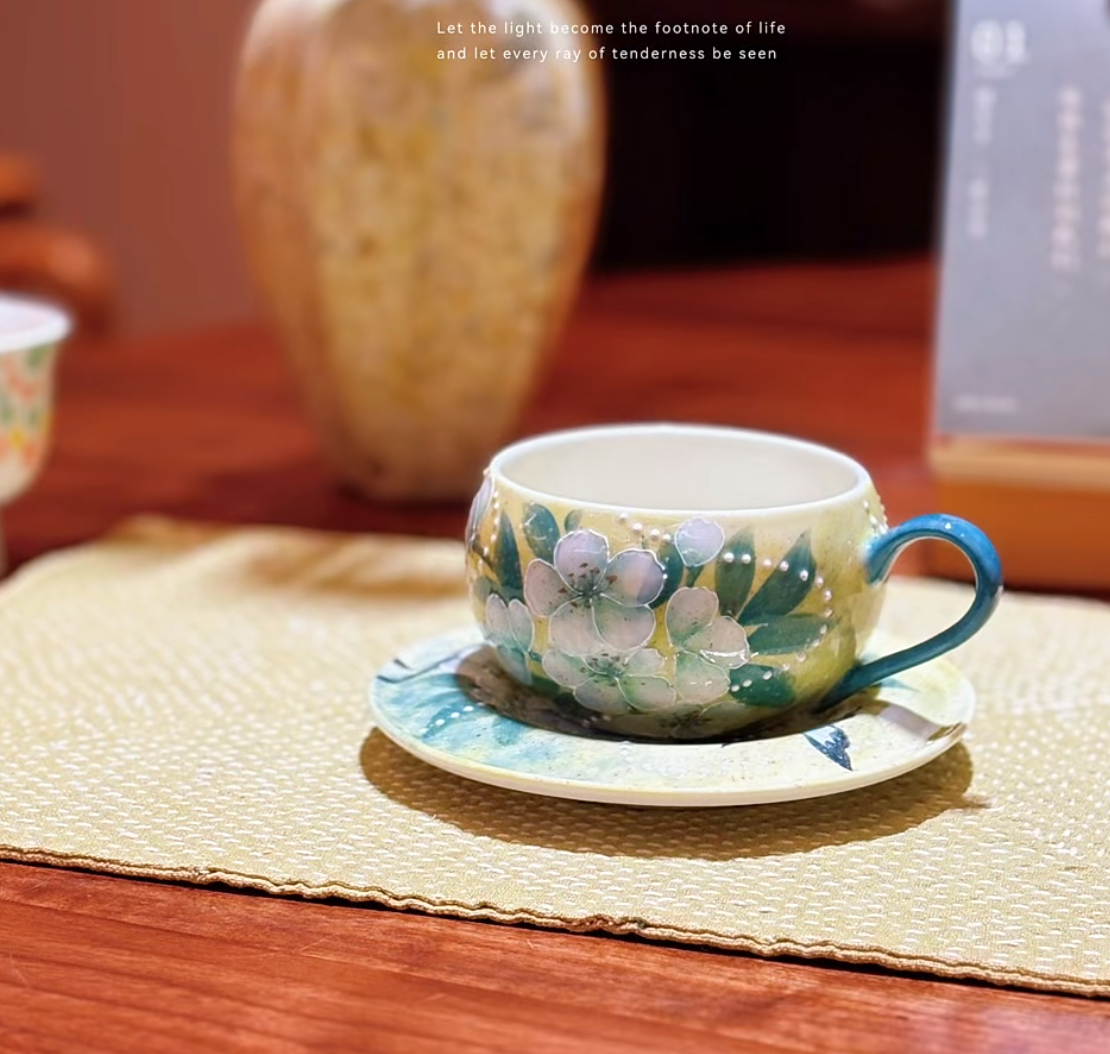
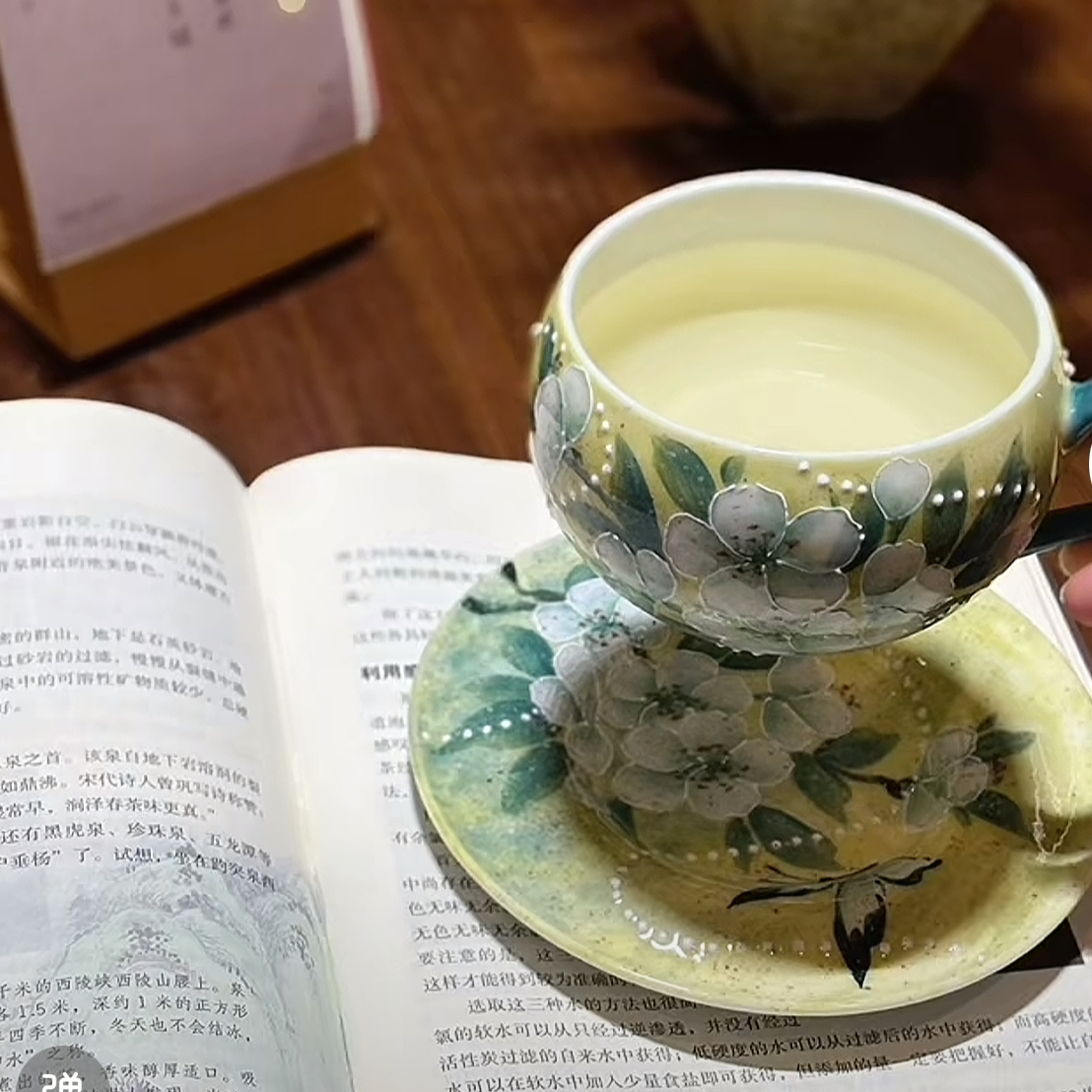
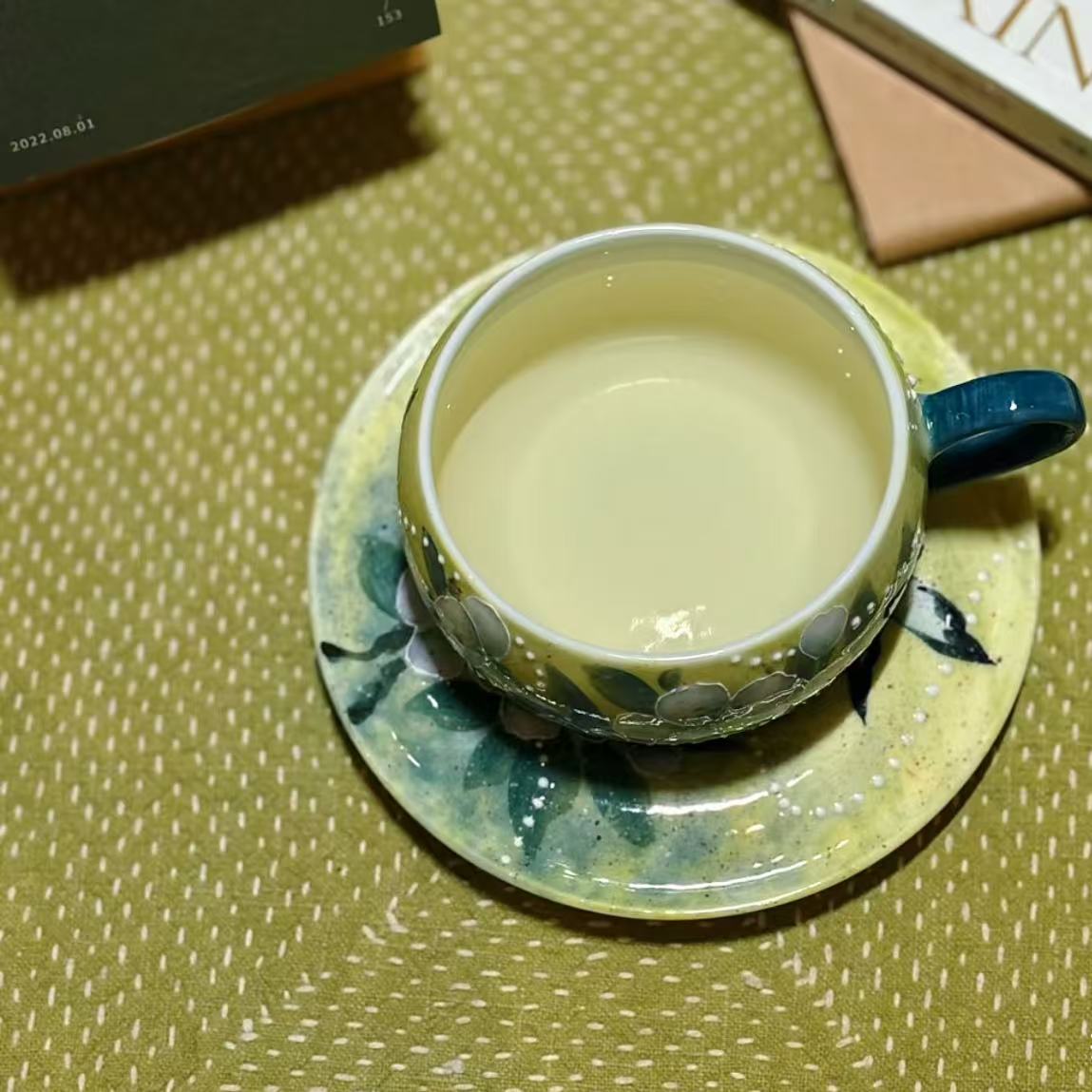
Famille rose, on the other hand, has broken free from traditional courtly bird-and-flower themes. Artists now use soft glazes to portray ecological allegories and feminine themes, innovating with matte finishes and low-saturation color palettes that suit both Ming-style tea ceremonies and New York apartments.
Wood-Kiln Renaissance: The Modern Value of Accidental Beauty
Ancient wood-kiln techniques, once replaced by gas kilns due to high costs, are now valued for their unique ash deposits and fire-marked textures that cannot be replicated. In recent years, small workshops have revived wood firing, where each piece becomes a "unique孤品 (solitary object)." Japanese ceramic artist Ryohei Yamamoto, who spent three years working in Jingdezhen, noted, "The unpredictability of wood kilns embodies Eastern philosophy." These pieces now enter collections through galleries and auctions, with prices reaching hundreds of times that of industrial ceramics.
Global Symbiosis: International Dialogue in Traditional Craftsmanship
The revival is driven not only locally. Jingdezhen has established over 30 international artist residency programs, attracting Western and Eastern ceramicists to study ancient techniques while injecting cross-cultural perspectives. The German minimalist brand "KERAMION" collaborated with local artisans to create a lamp series using rice-pattern techniques; French luxury brands have incorporated famille rose methods into ceramic jewelry.
Education and Market: Twin Engines of Revival
Jingdezhen Ceramic University offers intangible cultural heritage传承人 (inheritor) programs, blending master-apprentice traditions with digital labs; the government promotes live-streamed e-commerce for crafts, enabling niche wood-fired tea sets to reach Japanese tea ceremony enthusiasts directly. Traditional crafts no longer rely solely on tourist souvenirs but are entering high-end markets through global design exhibitions and online customization platforms.
Conclusion: Jingdezhen’s revival proves that tradition is not a static heritage but a flowing stream. Where blue-and-white meets cyberpunk, and wood kilns intersect with the metaverse, this ancient city of clay and fire is weaving a civilizational dialogue across time and space—deeply Chinese, yet profoundly global.



Reviews
Clear filtersThere are no reviews yet.